Considering a move to Oceanside and wondering if the coastal lifestyle will fit your work and family routine? You are not alone. Many executives and families look north of downtown San Diego for ocean access, solid transit options, and a more relaxed pace. In this guide, you will learn how Oceanside fits into North County’s commute network, where to focus your home search, what to see on a scouting trip, and how to handle logistics with confidence. Let’s dive in.
Oceanside at a glance
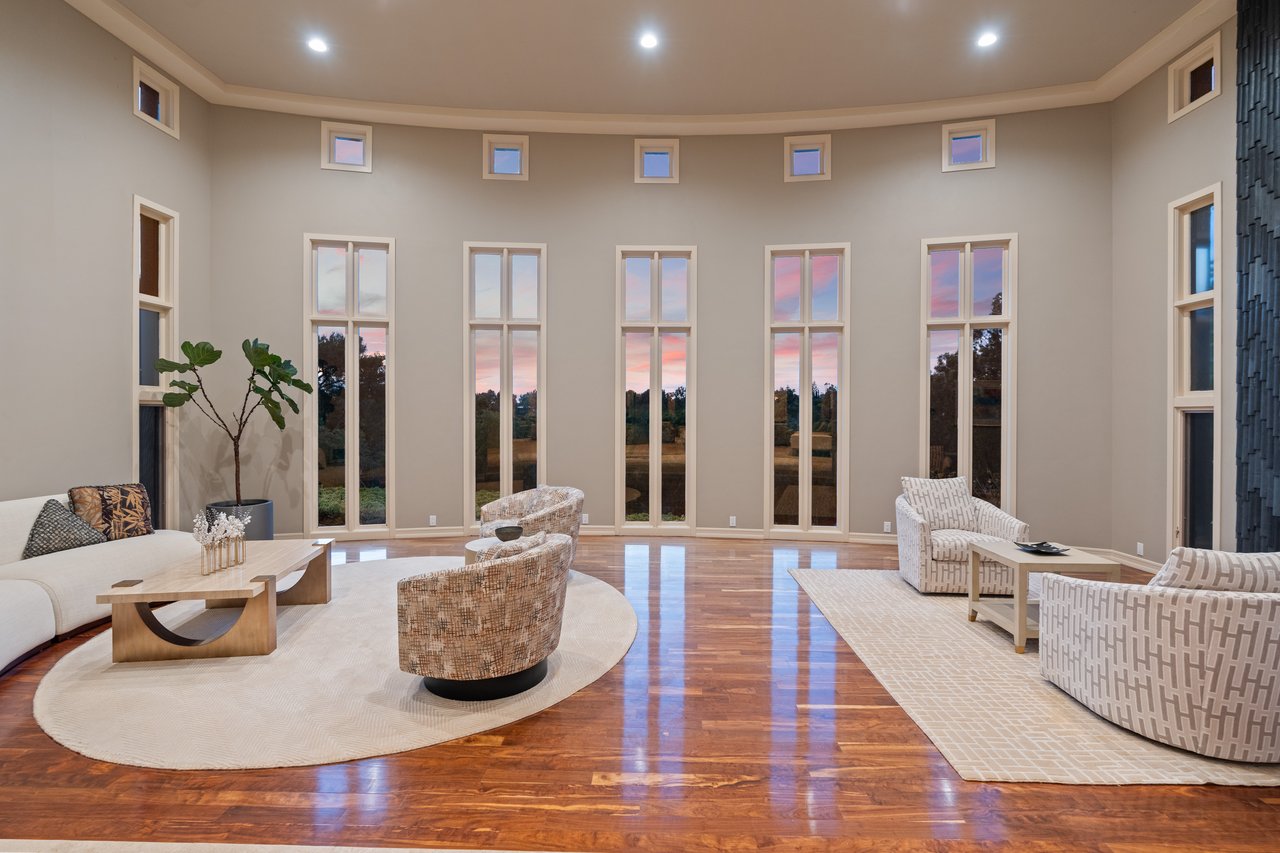
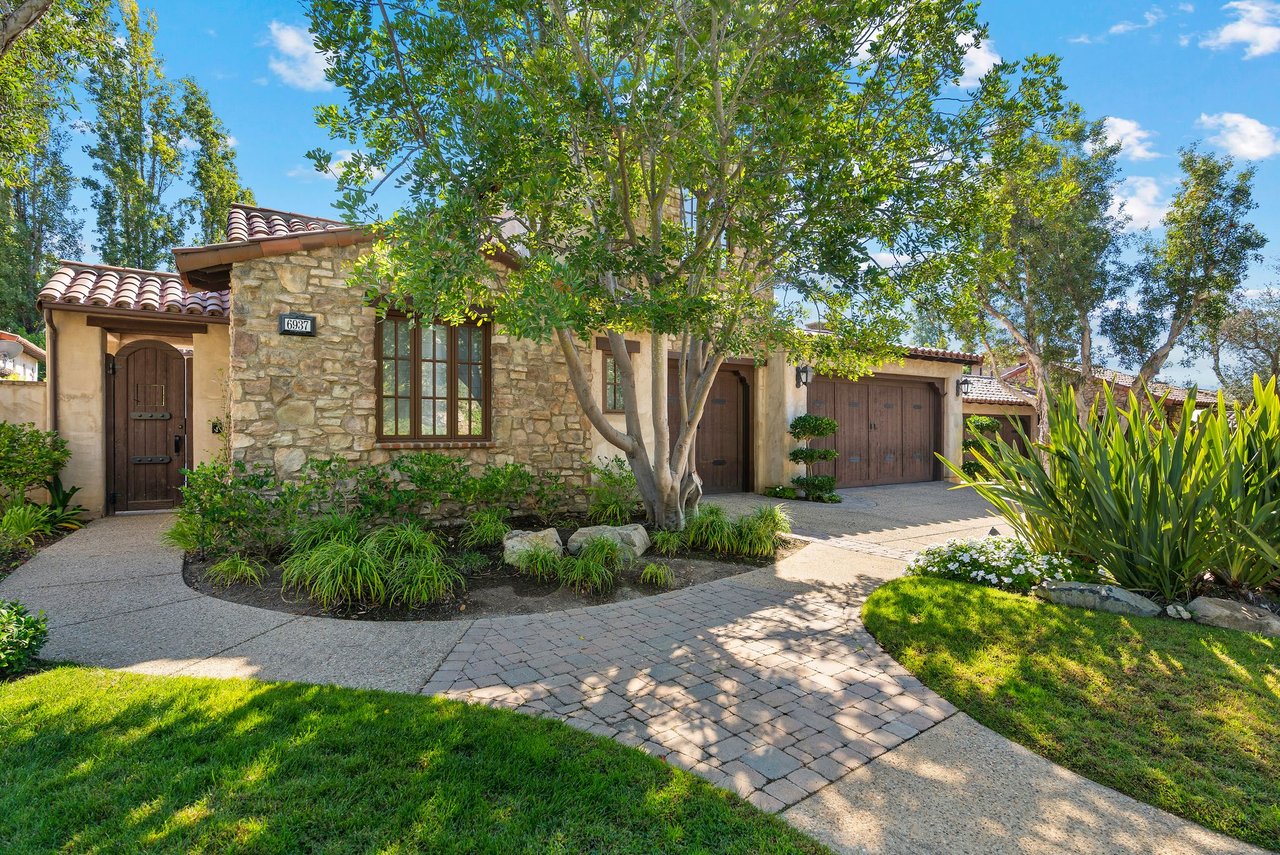
Oceanside sits at the northern edge of San Diego County’s coast. It blends active beach neighborhoods, a working harbor, and inland residential areas with varied housing types. You will find beach cottages, harbor-front condos, and family subdivisions east of I-5.
Compared with southern coastal cities like La Jolla or Coronado, Oceanside typically offers relatively more affordable coastal living and a wide range of home styles. Downtown and the harbor continue to evolve with new dining and retail, while long-standing neighborhoods keep a strong local feel.
If you want official city services, utility information, and community updates, the City of Oceanside is a helpful starting point.
Commute and connectivity
Driving corridors you will use
Your primary north-south route is I-5. For inland access, SR-76 heads east toward I-15, and Highway 78 connects to Vista and Escondido. Executives commonly commute to:
- Downtown San Diego for corporate, legal, and finance roles
- Sorrento Valley, UTC, and Torrey Pines for software and life sciences
- Carlsbad, Encinitas, and Vista for biotech, hospitality, and corporate offices
Traffic varies by time of day. Plan a test run during your typical work hours and check SANDAG regional planning updates to understand current projects and congestion patterns.
Rail advantages for predictability
Oceanside Transit Center is a regional hub that gives you several rail options:
- The COASTER commuter rail connects Oceanside with coastal North County stations and downtown San Diego. It is popular with executives who want a predictable schedule and time to work on board.
- The SPRINTER light rail runs east-west between Oceanside and Escondido, linking inland job centers.
- The Amtrak Pacific Surfliner serves Oceanside for business travel to Orange County, Los Angeles, and Santa Barbara.
If you plan to park and ride, review station parking rules in advance and consider a rail plus rideshare model for the last mile.
Airport access
San Diego International Airport is the primary hub for most routes. From Oceanside, it is typically a 30 to 50 minute drive depending on traffic. Some travelers use John Wayne Airport for select itineraries to the north. If you rely on tight flight schedules, test your door-to-door route during your typical travel window.
Neighborhoods and housing types
Coastal living near the Pier and Harbor
If you want to step out to the beach, focus on neighborhoods around Oceanside Pier, Harbor Beach, and the working harbor. Expect condos and townhomes with marina or ocean proximity along with renovated single-family homes. These areas draw interest for walkability, views, and waterfront access.
Downtown and Third Street area
Downtown offers a mix of condos, attached homes, and older cottages near shops, restaurants, and the transit center. You get a lively street scene with growing arts and dining options. It is a strong match if you want a car-light lifestyle and quick access to rail.
South Oceanside and inland options
South Oceanside blends residential streets with parks and daily conveniences. Inland, you will find more single-family homes, larger lots, and relative affordability compared with the immediate coast. Communities near Highway 78 and SR-76 trade shorter commutes to inland job centers for lower walkability.
Affordability patterns and ownership costs
In general, proximity to the beach, harbor, downtown, and views push values higher. Inland neighborhoods often offer more space at a lower price point. Many attached properties include homeowner associations. Review HOA documents, dues, reserves, and rules. For coastal homes, budget for salt-air maintenance and consider inspections for roof, pest, and coastal wear.
Coastal lifestyle and everyday amenities
Oceanside’s appeal centers on the beach and harbor. You can fish on the pier, launch a paddleboard at the harbor, or spend weekends at Harbor Beach and Buccaneer Beach. Surf breaks are active year-round, and boating and fishing charters add variety.
Beyond the water, you will find coastal bike paths, nearby trails, and community parks. Dining ranges from long-time local favorites to newer breweries and restaurants, especially around downtown and the harbor. Military proximity and seasonal visitors can influence neighborhood rhythms and rental demand, especially near Camp Pendleton.
Schools and family resources
Most students in the city attend the Oceanside Unified School District. Boundaries and program offerings can change, so verify details directly with the district and review school report cards through the California Department of Education. For higher education and continuing education, families often consider nearby community-college options.
When touring, schedule school appointments ahead of time and confirm enrollment steps, required documents, and any language support your household may need.
Safety, environment, and walkability
Like many coastal cities, walkability is strongest near downtown and the harbor, while inland areas are more car-oriented. Oceanside has invested in some pedestrian and bicycle improvements. For safety research, compare neighborhood-level data using local police department crime maps and federal resources before you decide on a location. Visit by day and evening to understand noise, traffic, and activity levels.
Plan a productive 48-hour scouting trip
Sample itinerary
Day 1
- Morning: Meet your agent near Oceanside Transit Center for an orientation and map review. Drive your likely commute during peak time.
- Midday: Tour a coastal route around the Pier and Harbor, then downtown and a shortlist of inland neighborhoods. If schools are on your list, drive by campuses to gauge proximity.
- Afternoon: Walk a condo or townhome to check elevator, parking, and loading access. Note grocery, pharmacy, and park locations.
- Evening: Dinner near the harbor, sunset at the pier, and a slow drive through your top two neighborhoods.
Day 2
- Morning: Attend school tours if permitted. Visit the transit center to time train departures and parking.
- Midday: Meet a local lender or relocation specialist to align budget, timing, and employer requirements. If you are considering a rental first, meet a property manager.
- Afternoon: Revisit your top neighborhoods, view a second set of homes, and compare notes.
Optional Day 3: Line up movers, see storage facilities, and visit neighboring Carlsbad or Encinitas for comparison.
Practical checklists
Bring:
- Tape measure, furniture photos, and a list of must-fit items
- Floorplan requests for any serious contenders
- Questions about HOA rules, rental policies, and special assessments
Confirm:
- Noise and transit proximity for coastal homes
- Parking assignments, elevator dimensions, and delivery restrictions for condos
- Internet providers and speeds, plus cell coverage in the home
Test:
- Drive or ride the train at your actual commute times
- Visit your top neighborhood morning, afternoon, and evening
Set up:
- Utilities and services with SDG&E and the city’s water and trash providers via the City of Oceanside
- Vehicle and licensing tasks through the California DMV
Paperwork and California-specific notes
If you are moving from out of state or overseas, plan for California income tax filings and local property tax assessment practices. On purchase, reassessment typically occurs based on state rules. You will also need to update your driver’s license, vehicle registration, and voter registration, and handle pet licensing and leash rules within city limits.
How we support your move
Relocations move smoothly when your agent aligns your home search with your work schedule, school needs, and logistics. As a Certified Relocation Specialist with decades of North County experience, our team understands corporate policies, household-goods timelines, and destination services. We coordinate area briefings, customized touring agendas, temporary housing options, HOA document reviews, and introductions to trusted local lenders and inspectors.
We also serve bilingual households. Our Spanish-English team provides bilingual buyer packets, translated neighborhood summaries, and help coordinating school registration in Spanish. We can connect you with Spanish-speaking contacts for utilities and municipal interactions, and we ensure real estate terminology is clear at every step. For context on industry standards, many corporate programs reference organizations like Worldwide ERC.
If you are considering Oceanside for its coastal access, flexible commute options, and family-friendly amenities, a focused orientation can clarify your next step. When you are ready, let’s tailor a plan and get you settled with confidence. Schedule your private, confidential conversation with Elizabeth Reed & Associates.
FAQs
What should I know about commuting from Oceanside to downtown San Diego?
- I-5 is the primary route, and traffic varies by time of day. The COASTER provides a predictable rail alternative to downtown. Test your door-to-door trip during typical commute hours and review SANDAG regional planning updates for current projects.
Which transit lines serve Oceanside for work travel?
- Oceanside Transit Center connects to the COASTER commuter rail, the SPRINTER light rail, and the Amtrak Pacific Surfliner for regional trips.
How does Oceanside’s affordability compare to other coastal areas?
- Oceanside typically offers relatively more affordable coastal living than southern coastal San Diego cities. Coastal locations command premiums, while inland neighborhoods tend to be lower in price.
Where is walkability strongest in Oceanside?
- Downtown and the harbor area offer the most walkable environments, with many inland neighborhoods designed for driving. Visit at different times of day to assess your preferred feel and convenience.
What should I set up first after I arrive in Oceanside?
- Start with electric and gas service through SDG&E, water and trash via the City of Oceanside, and complete licensing tasks at the California DMV.
How can your team help a bilingual household relocate to Oceanside?
- We provide Spanish-English tours, bilingual buyer packets, translated neighborhood summaries, and assistance coordinating school registration in Spanish, plus referrals to Spanish-speaking contacts for utilities and city services.